Admin
Admin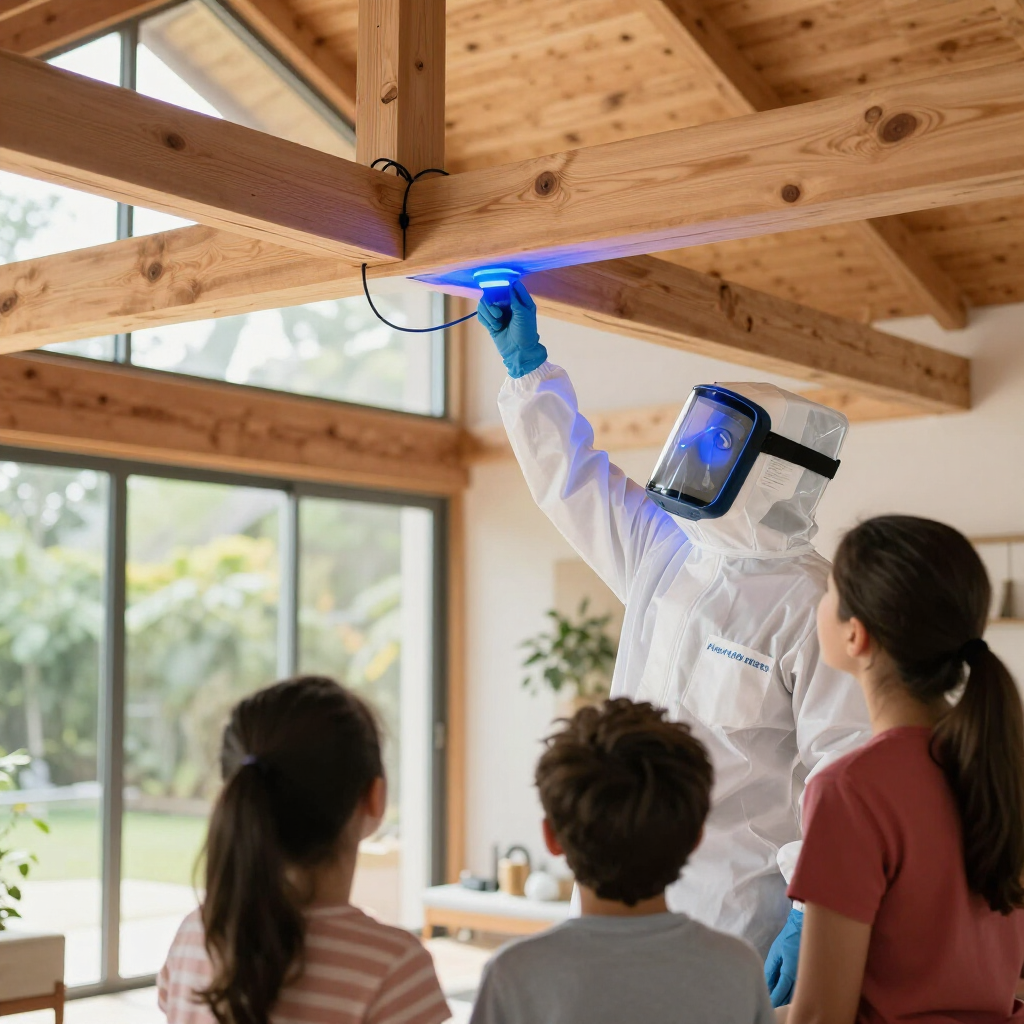
Wood is one of the most reliable and attractive building materials used in homes, timber-frame buildings, log cabins, and historic properties. Its strength, natural beauty, and sustainability make it a popular choice for structural beams, flooring, furniture, and outdoor structures. However, wood is not immune to damage. Two of the most common concerns for homeowners are mold growth and woodworm infestations.
Although these problems are often mentioned together, they are very different in nature. Mold is a type of fungus that grows on damp surfaces, while woodworm refers to the larval stage of several wood-boring beetle species that tunnel through timber. Both can affect wooden structures, but the level of risk depends on factors such as the extent of the problem, the condition of the timber, and how quickly the issue is addressed.
In this guide, we’ll compare mold and woodworm, explain their causes, warning signs, and potential impact, and discuss how to protect your wooden home from both.
Understanding Mold
Mold is a fungus that develops when moisture is present for extended periods.
It commonly grows on:
- Roof beams
- Wooden flooring
- Window frames
- Furniture
- Wall framing
- Ceiling timbers
Mold spreads by releasing microscopic spores into the air, which settle on damp surfaces and begin growing when conditions are favorable.
Understanding Woodworm
Woodworm is the common name for the larvae of several wood-boring beetle species.
Common examples include:
- Common Furniture Beetle
- Deathwatch Beetle
- House Longhorn Beetle
- Powderpost Beetles
The larvae feed inside timber before emerging through small exit holes as adult beetles.
What Causes Mold?
Mold is almost always linked to excess moisture.
Common causes include:
- Roof leaks
- Plumbing leaks
- Condensation
- High indoor humidity
- Flooding
- Poor ventilation
Without moisture, mold cannot continue to grow.
What Causes Woodworm?
Woodworm infestations occur when adult beetles lay eggs in suitable timber.
The likelihood of infestation depends on factors such as:
- Beetle species
- Wood type
- Environmental conditions
- Moisture levels
- Age and condition of the timber
Some wood-boring beetle species are more likely to infest timber that has elevated moisture levels, although not all species require damp wood.
Warning Signs of Mold
Look for:
- Black, green, white, or gray patches
- Musty odors
- Surface discoloration
- Damp timber
- Peeling finishes
- Condensation
Early detection helps prevent more extensive moisture-related damage.
Warning Signs of Woodworm
Common signs include:
- Small round exit holes
- Fine powdery wood dust (frass)
- Weak or crumbly timber
- Adult beetles appearing during warmer months
A professional inspection can determine whether an infestation is active.
How Mold Affects Wood
Mold usually develops on the surface of timber.
Although mold itself does not always weaken wood structurally, it often indicates persistent moisture, which may eventually lead to fungal decay if left unresolved.
Mold may also:
- Damage finishes
- Create unpleasant odors
- Affect indoor air quality
- Indicate hidden moisture problems
How Woodworm Affects Wood
Woodworm larvae tunnel through timber as they feed.
Over time, extensive infestations may:
- Reduce timber strength
- Damage furniture
- Affect floorboards
- Weaken structural wood
- Require professional treatment
The severity depends on the beetle species, the extent of the infestation, and the condition of the timber.
Are Mold and Woodworm Connected?
They are connected indirectly, not directly.
- Mold does not cause woodworm.
- Woodworm does not produce mold.
However, both problems may occur in damp environments because excess moisture creates conditions that support mold growth and may make timber more suitable for certain wood-boring beetle species.
Controlling moisture is therefore one of the most effective preventive measures.
Which Poses the Bigger Risk?
There is no universal answer because the level of risk depends on the specific situation.
Mold May Be the Greater Concern When:
- Moisture problems are widespread.
- Indoor air quality is affected.
- Fungal decay is beginning to develop.
- Large areas of the building remain damp.
Woodworm May Be the Greater Concern When:
- An active infestation is extensive.
- Structural timber is affected.
- Valuable furniture or antiques are infested.
- The infestation has remained untreated for a long period.
Both issues deserve prompt attention because they can become more difficult and costly to address over time.
How to Prevent Both Problems
Many preventive measures help reduce the risk of both mold and woodworm.
These include:
- Repair roof leaks promptly.
- Fix plumbing leaks immediately.
- Improve ventilation.
- Monitor indoor humidity.
- Maintain gutters and drainage.
- Inspect timber regularly.
- Keep wood dry.
- Address moisture problems quickly.
Good building maintenance is the foundation of long-term timber protection.
Modern Woodworm Treatment Options
If an active woodworm infestation is confirmed, treatment depends on:
- Beetle species
- Severity of infestation
- Structural condition
- Accessibility
Professional options include approved chemical treatments and modern heat-based technologies.
Microwave Woodworm Treatment
One increasingly popular chemical-free option is microwave woodworm treatment.
Professional microwave equipment uses dielectric heating to generate controlled heat inside timber.
The treatment is designed to eliminate:
- Woodworm larvae
- Beetle eggs
- Pupae
- Adult wood-boring beetles
Benefits
- Chemical-free
- No pesticide residues
- Localized treatment
- Environmentally responsible
- Suitable for many heritage buildings
- Helps preserve original structural timber
A timber preservation specialist can determine whether this treatment is appropriate if an active infestation is identified.
Mold vs. Woodworm Comparison
| Mold | Woodworm |
|---|---|
| Fungus | Wood-boring beetle larvae |
| Triggered by excess moisture | Caused by beetle infestation |
| Grows on wood surfaces | Lives inside timber |
| Can indicate hidden moisture problems | Can weaken timber if infestations are extensive |
| Controlled through moisture management | Requires professional assessment and, if active, targeted treatment |
Although they are different problems, preventing moisture accumulation helps reduce the risk of both.
Common Mistakes to Avoid
Avoid these common errors:
- Ignoring musty odors.
- Delaying roof repairs.
- Assuming every exit hole indicates an active infestation.
- Painting over mold without fixing the moisture source.
- Skipping annual timber inspections.
Preventive maintenance is far more effective than emergency repairs.
Common Myths About Mold and Woodworm
Myth 1: Mold Always Leads to Woodworm
Fact: Mold does not cause woodworm. The two issues simply share moisture as a common contributing factor.
Myth 2: Woodworm Always Means Structural Failure
Fact: Many infestations are localized. A professional inspection is needed to assess the extent of any damage.
Myth 3: Only Old Homes Develop Mold or Woodworm
Fact: Any building—old or new—can experience these problems if moisture management and maintenance are neglected.
When Should You Contact a Professional?
Professional advice is recommended if you notice:
- Persistent mold growth.
- Fresh frass.
- New exit holes.
- Soft structural timber.
- Roof or plumbing leaks.
- Fungal decay.
- Moisture problems that continue despite repairs.
A qualified timber preservation specialist can inspect the property, identify the underlying cause, determine whether mold, woodworm, or both are present, and recommend the most appropriate treatment and maintenance plan.Visit online https://www.shashel.eu for more details.
Conclusion
Mold and woodworm are different problems that require different solutions, but they often share the same underlying cause—excess moisture. Mold primarily affects surfaces and indicates damp conditions, while woodworm involves insect larvae that can damage timber over time. Neither issue should be ignored, as both can become more serious if left untreated.
The best way to protect wooden structures is through preventive maintenance, including moisture control, proper ventilation, regular inspections, and prompt repairs. If woodworm is confirmed, professional treatment—whether through approved chemical products or modern chemical-free technologies such as microwave woodworm treatment—can help eliminate active infestations while preserving valuable timber. By addressing moisture early and maintaining your property consistently, you can significantly reduce the risk of both mold and woodworm for years to come.